跳到内容
跳到内容 
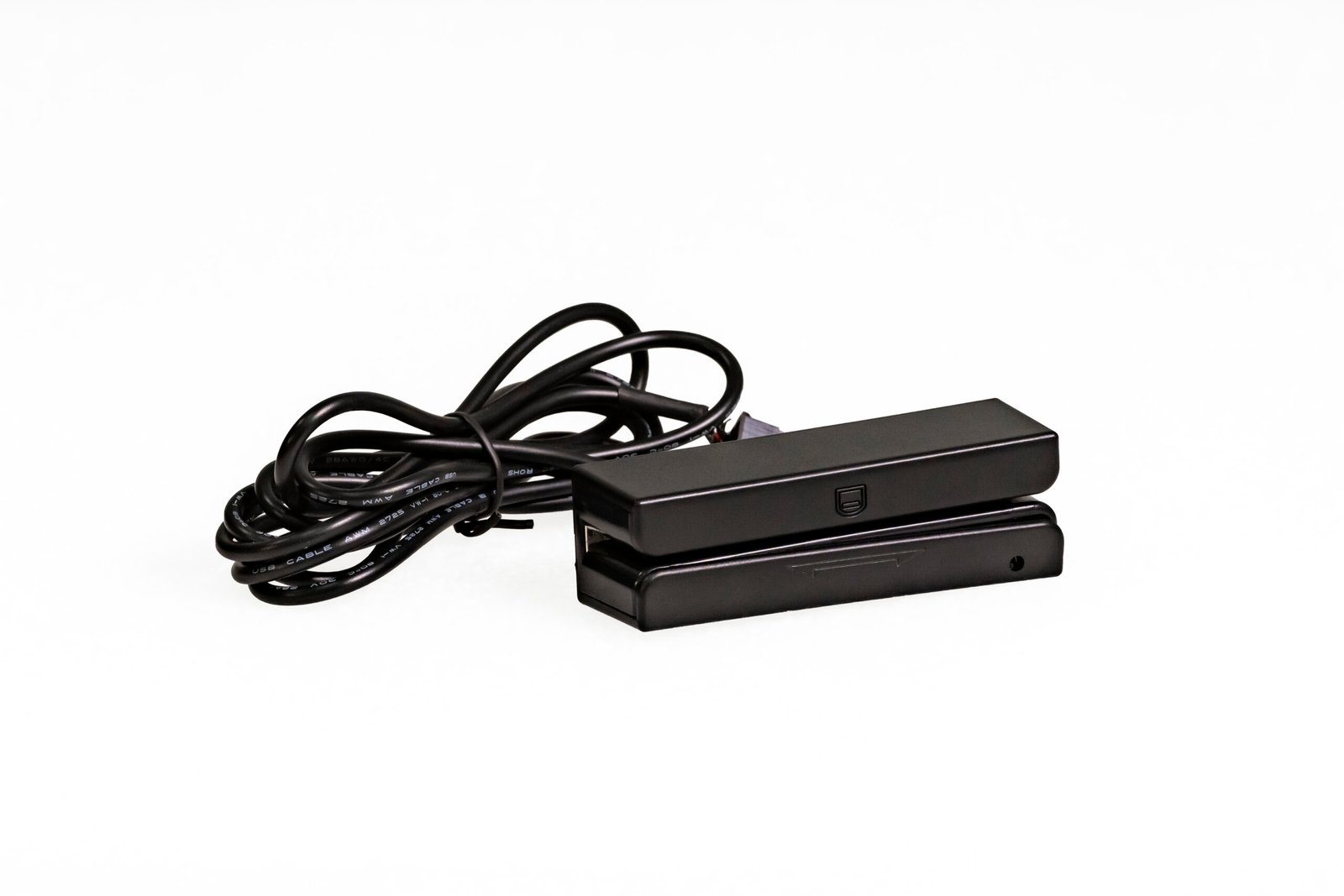
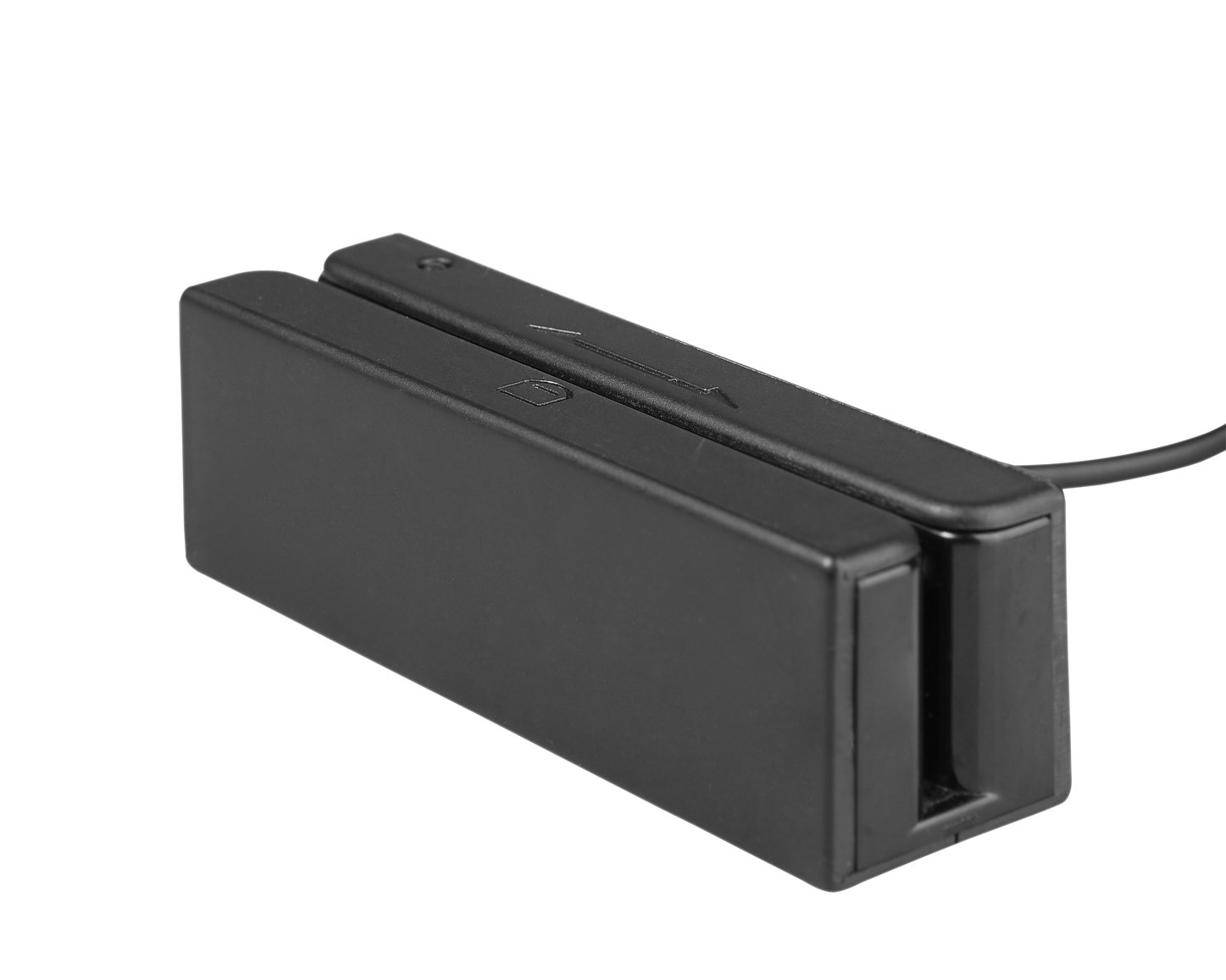
In self-service kiosks, ATMs, parking payment machines, and POS terminals, the magnetic stripe card reader (MSR) is far more than a small component—it is the foundation of reliable transactions. When the MSR fails, the entire machine fails. When the MSR performs well, your system runs smoothly, delivers stable revenue, and minimizes service calls.
After years working with kiosk manufacturers, embedded system integrators, and payment terminal suppliers, one truth remains:
👉 Stable card reading = stable business.
This guide helps you understand how magnetic stripe readers work, which specifications matter most, and how to choose the right MSR module for your device.
What Is a Magnetic Stripe Card Reader?
(Featured Snippet Optimized)
A magnetic stripe card reader (MSR) is a device that reads Track 1, Track 2, and Track 3 data from magnetic stripe cards following the ISO/IEC 7811 standard. The MSR decodes the data and transmits it to a host controller via RS232, USB, or TTL.
Common applications include:
- Self-service kiosks
- Parking payment systems
- POS terminals
- ATMs
- Vending & ticketing machines
- Access control systems
- Loyalty & membership kiosks
A well-built MSR provides accurate decoding, high-speed operation, and long lifespan, even in heavy-usage industrial environments.
Why High-Quality Magnetic Stripe Readers Matter
Low-quality MSRs often result in:
❌ Frequent misreads
❌ Transaction failures
❌ Card jams
❌ Customer frustration
❌ Maintenance downtime
❌ Higher operating cost
A professional MSR ensures:
✔ High decoding accuracy
✔ Smooth mechanical motion
✔ Long magnetic head lifespan
✔ Low error rate
✔ Strong environmental resistance
✔ Stable operation in unattended environments
👉 For any self-service business, this directly affects daily cash flow and customer satisfaction.
Key Specifications to Consider When Selecting an MSR
1. Track Reading Support (Track 1 / Track 2 / Track 3)
Different markets require different tracks:
- POS → Track 2
- Parking → Track 1 + Track 2
- ATMs → Full Track 1 + 2 + 3
- Ticketing → Track 1 + 2
For maximum compatibility, choose full 3-track support.
2. Interface Options
Choose the interface based on your host device:
- RS232 → Most stable for industrial kiosks
- USB → Plug-and-play for POS and retail terminals
- TTL → Ideal for embedded system boards
Correct interface selection reduces integration time significantly.
3. Manual Swipe vs Motorized MSRs
Manual Swipe
Used in:
- POS terminals
- Membership kiosks
- Retail loyalty systems
Advantages:
- Lower cost
- Simple installation
- Small footprint
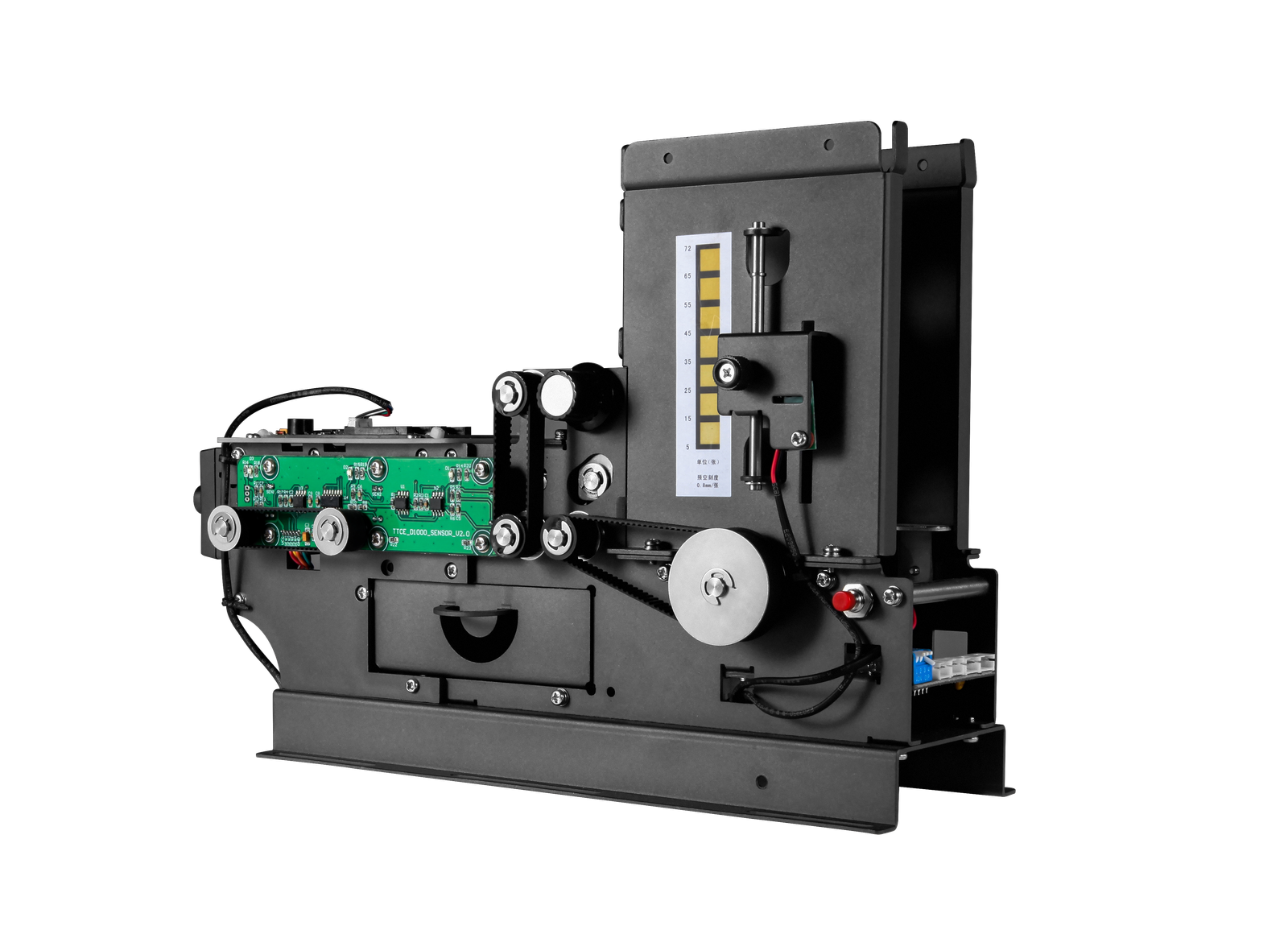
Motorized Magnetic Stripe Reader
Used in:
- ATMs
- Parking machines
- Ticketing kiosks
- Unattended payment terminals
Advantages:
- Automatic card pull-in and eject
- Higher reading accuracy
- Anti-skimming support
- Suitable for harsh conditions
👉 For unattended usage or payment-critical environments, motorized MSRs are strongly recommended.
4. Decoding Accuracy and Speed
A high-quality MSR should:
- Maintain accuracy at slow or fast swipe speeds
- Have an error rate below 0.5%
- Handle noise and interference
- Decode consistently over long-term operation
This directly impacts transaction success rates.
5. Environmental & Durability Requirements
Industrial systems must handle:
- 500,000+ swipes
- Dust, humidity, and temperature fluctuations
- Anti-static protection
- Stable operation from -10°C to +60°C
This ensures reliability in outdoor kiosks and high-traffic locations.
6. Security Features (Critical for Banking)
- Anti-skimming
- Tamper-resistant mechanisms
- Optional encryption
- Secure card path design
These protect sensitive data and prevent fraud.
Magnetic Stripe Reader Technical Specification Table
| Category | Specification |
|---|---|
| Track Support | ISO/IEC 7811 — Track 1 / Track 2 / Track 3 |
| Reading Type | Manual swipe / Motorized |
| Interface Options | RS232, USB, TTL |
| Card Compatibility | Standard 0.76 mm magnetic stripe cards |
| Reading Speed | 10–150 cm/s |
| Magnetic Head Life | 500,000+ swipes |
| Error Rate | <0.5% |
| Operating Temp | -10°C to +60°C |
| Environmental Design | Dust-resistant, anti-static |
| Security | Anti-skimming, tamper-resistant |
| Housing | ABS or metal |
| Applications | Kiosks, ATMs, POS, parking, ticketing |
This table simplifies hardware selection for procurement departments and engineers.
Where Magnetic Stripe Readers Are Used Most
(Industry Use Cases)
1. Kiosks
Used for membership verification, ticket validation, check-in, and stored-value cards.
2. Parking Payment Systems
Reads entry/exit cards for automated billing.
3. POS Terminals
Processes magnetic payment cards with stable swipes.
4. ATMs
Requires motorized MSRs with strong security protections.
5. Access Control
Authenticates staff and corporate visitors.
6. Ticketing & Vending
Reads transit cards and stored-value cards.
How to Select the Right MSR for Your Project
(Practical Evaluation Guide)
| Application | Recommended Type |
|---|---|
| POS | Manual swipe |
| Parking payment terminal | Motorized |
| ATM | Motorized + anti-skimming |
| Kiosk (loyalty, member) | Manual |
| Kiosk (unattended payment) | Motorized |
| Access control | Manual or motorized |
Always choose based on volume, security requirements, and operating environment.
Buyer’s Pre-Purchase Checklist
(Copy-Ready for Engineers & Procurement)
Before purchasing, confirm:
☑ Required magnetic tracks (1/2/3)
☑ Output interface (RS232 / USB / TTL)
☑ Manual or motorized mechanism
☑ Required security features
☑ Environmental temperature range
☑ Mechanical life (≥500,000 swipes)
☑ System compatibility
☑ Installation method & space constraints
A correct evaluation now prevents costly integration issues later.
B2B Inquiry CTA — Integrated Into the Article for Maximum Conversion
(Perfect for OEM/ODM, integrators, distributors, and project buyers)
Ready to Source High-Quality Magnetic Stripe Card Readers for Your Project?
If you are designing or upgrading:
- Kiosks
- Parking payment terminals
- POS devices
- Ticketing or vending machines
- Access control equipment
- ATM hardware modules
and need stable, industrial-grade magnetic stripe readers, our engineering team provides:
✓ Full 3-track MSR modules
✓ Manual swipe or motorized options
✓ OEM/ODM customization
✓ RS232 / USB / TTL compatibility
✓ Long-life magnetic heads
✓ Anti-skimming security options
✓ Fast integration support for system engineers
📩 Contact our technical sales team to receive:
- Product datasheets
- CAD drawings
- Integration manuals
- Sample pricing
- OEM mass production quotations
👉 Whether you are developing a new terminal or optimizing an existing design, we help you choose the right MSR solution with maximum reliability and minimum maintenance cost.
Conclusion
A magnetic stripe card reader may be small, but it plays a critical role in every kiosk, ATM, parking gate, and POS terminal. Choosing the right MSR—one with high decoding accuracy, strong durability, secure mechanisms, and the correct interface—ensures:
✔ Long-term system stability
✔ Lower maintenance cost
✔ Better user experience
✔ Higher transaction success rate
For any self-service or payment project, investing in a high-quality MSR is one of the most important engineering decisions you will make.